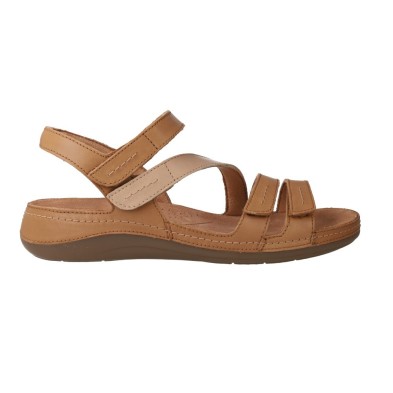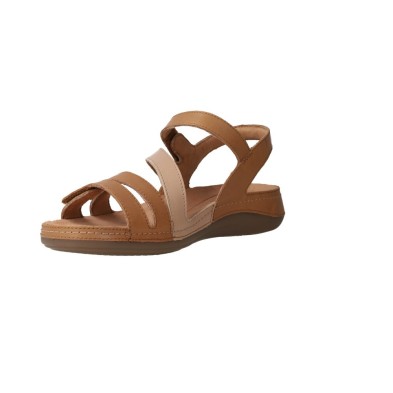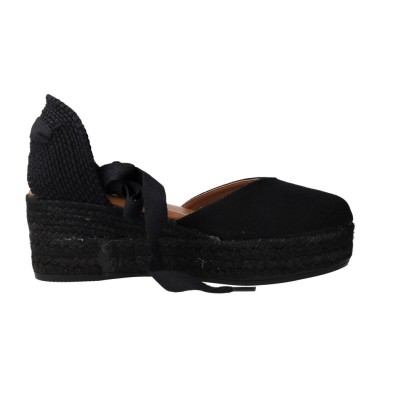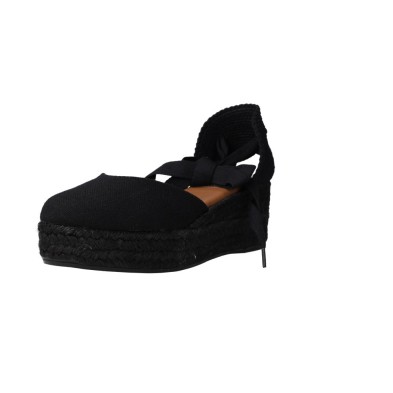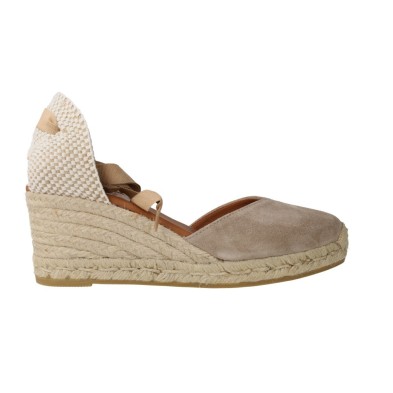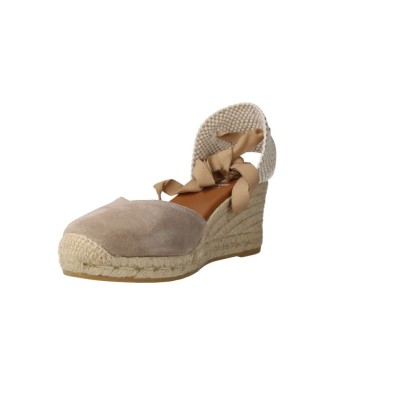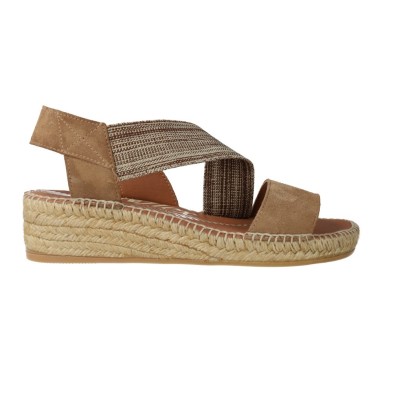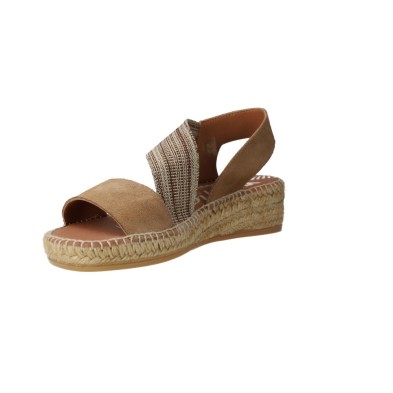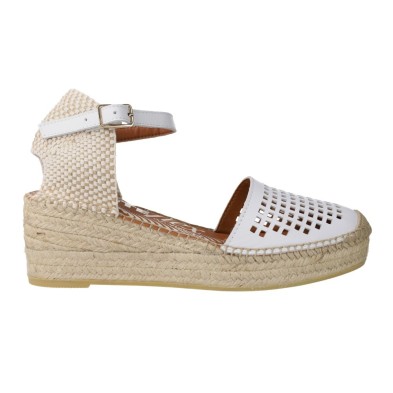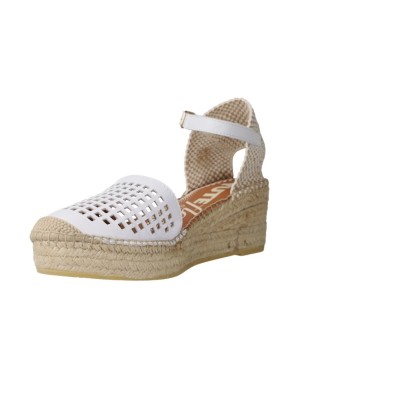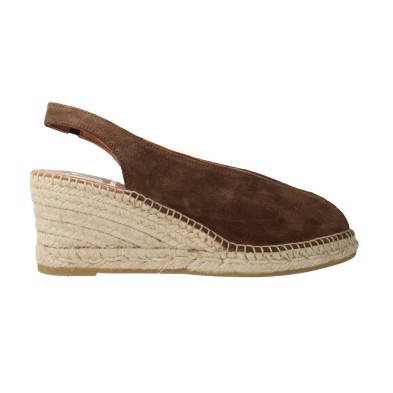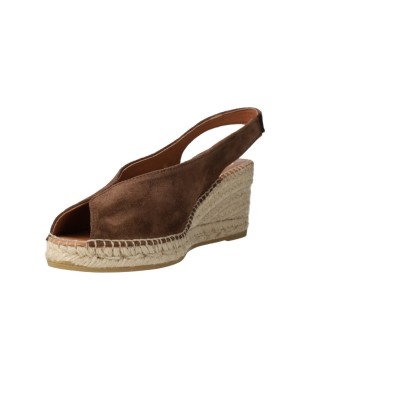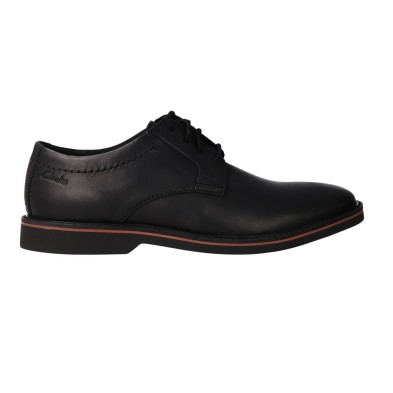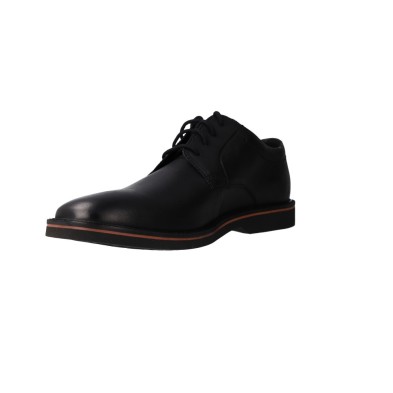
The basics
Making sure your feet don’t ever let you down begins with treating them to the right shoes; shoes that are the best possible fit, no matter what the type or style.
Here are four basic tips to get you started
Try on new shoes in the afternoon, as feet tend to swell a little during the day
Try on new shoes wearing socks, stockings or tights similar to those you’ll be wearing with them
Even new shoes should feel comfortable straightaway. If they feel like they need breaking in they’re not the shoes for you
The correct width is every inch (or centimetre) as important as the right length
What to look for
So far, so good. Next, for most of us at least, it’s the fun part – shopping for your shoes. Typically, you’ll be spoilt for choice. But there are certain things to look out for when you’re trying and buying new shoes.
The heel
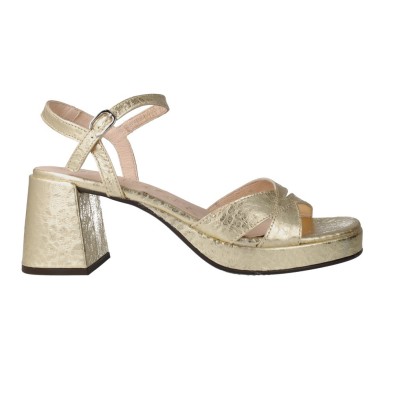
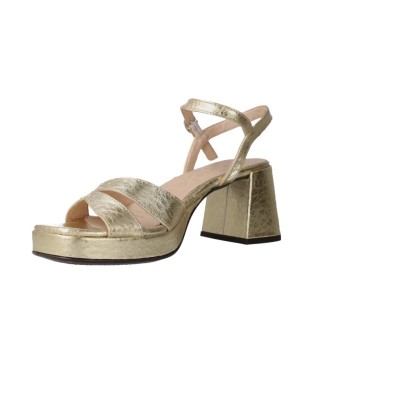
This takes a large proportion of your weight and for maximum comfort should have a broad, supportive base. For women especially, the height is often dictated by fashion, not by the needs of the foot. But for all-day wear the height should ideally be no more than 4cm.
The heel counter
The inside part of the shoe that grasps your heel at the sides and back, preventing it from sliding up and down while walking. It should complement the shape of your own heel. This part softens with wear, losing shape and support with time.
The sole
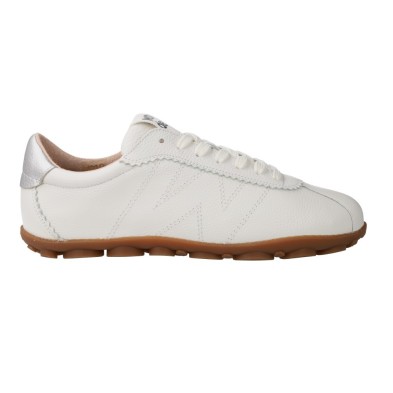
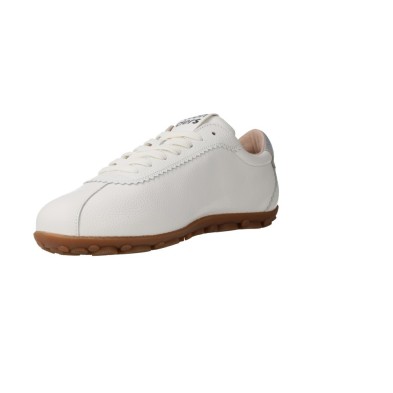
The bottom of the shoe. This should be flat, except for a gentle slope upwards under the toes, and made from a flexible, durable material.
The upper
The main part of the shoe covering the top of the foot. Ideally, it should be made from a natural material e.g. leather.
The lining
Found inside the shoe. This should be smooth and without seams or obtrusive stitching.
The fastenings
These hold the foot in the shoe and ideally should be laces, straps with buckles or Velcro.